How Does Image Annotation Differ from Video Annotation?

With artificial intelligence influencing more and more industries, the relevance of high-quality annotated data cannot be overestimated. Whether we are talking about self-driving cars or medical imaging systems, AI learns to “see” and understand the world of humans through labeled data. Image annotation, or computer vision annotation, serves as a way for AI models to... Continue Reading 

What is Data Annotation and Why is it Important for AI Projects?

Artificial Intelligence (AI) needs just one thing to thrive—data. But raw data is not on its own enough to allow machines to be intelligent. Data needs to be registered, labelled and contextualized for AI models to understand and predict. This is the way the data is given meaning or labeled in the system. It is... Continue Reading
What is LiDAR Annotation in Autonomous Vehicles?
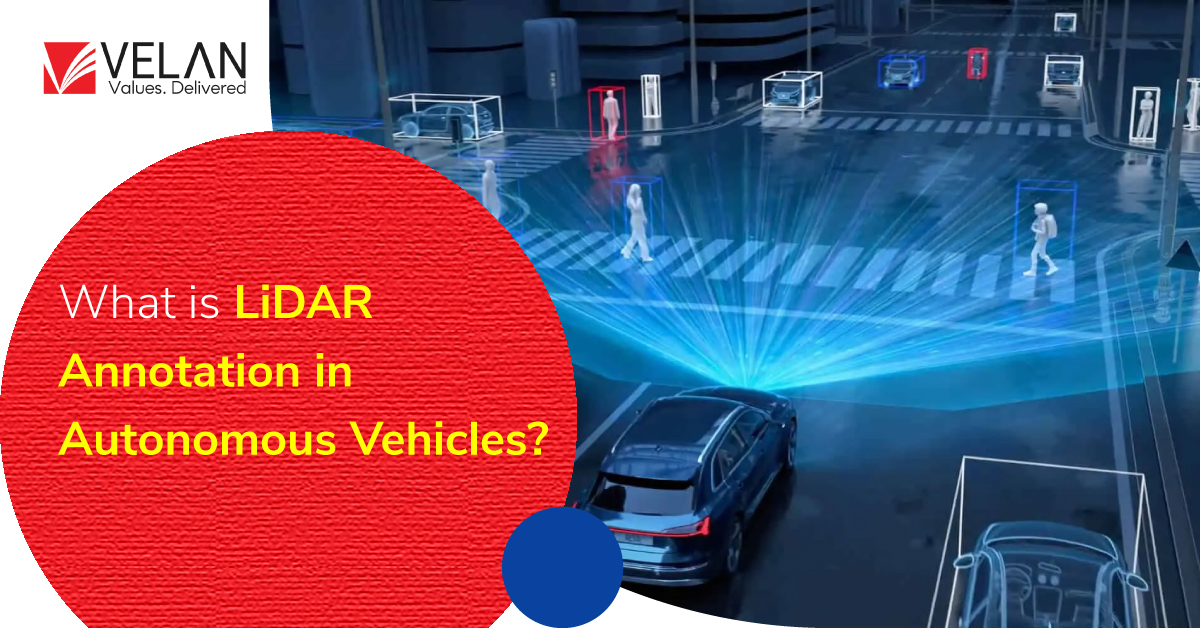
The perception of autonomous cars is achieved by using a combination of highly sophisticated sensors and machine learning algorithms. LiDAR (light detection and ranging) is one of the sensors, playing a major role in helping normal vehicles to detect objects, measure distance, and get them across safely. But LiDAR’s real no-fluff power exists in its... Continue Reading
How Can AI and Data Annotation Accelerate the Evolution of Electric Vehicles?
Electric vehicles (EVs) are not a far-off vision of the future; they’re going mainstream around the world at an unprecedented pace. AI and data annotation are driving auto manufacturing and the electrification boom. As car manufacturers and tech giants continue to push the boundaries of sustainable mobility, AI and data annotation are proving to be... Continue Reading
Data Annotation for Autonomous Vehicles: Powering the Future of Self-Driving Cars

The race of autonomous vehicles (AV) has remade the face of the global automotive industry. Market studies foresee that the self-driving market will be valued at a few hundred billion dollars by 2030, and as such major contributors like Tesla, Waymo, and Nvidia are putting heavy capital into both Advanced Driver-Assistance Systems (ADAS) and full... Continue Reading
Categories
- Accounting Service (44)
- Back Office Support (43)
- Business Intelligence Services (12)
- Business Support Services (27)
- Cloud Services (14)
- Data Annotation for AI & ML (19)
- DevOps Services (12)
- Digital Commerce Services (2)
- eCommerce (15)
- High-Quality AI/ML Training Data Services (1)
- Medical Billing And Coding (27)
- Mobility Services (13)
- Portal Services (7)
- Remote IT Infrastructure (20)
- Robotic Process Automation (11)
- Supply Chain Management (18)
- Velan Events (6)